M StableSite Audit
Optimise your packaging on-site – quicker, cheaper, greener!
In most facilities, the product packaging process has been running the same way for years. There’s no obvious reason to change anything — the machine runs, the film goes on the pallet, the goods ship out. The question of exactly what this costs, and whether the same result could be achieved with less, is rarely asked.
Yet the answer is almost always: yes, it could.
The trap of a working system
During our M StableSite audit, we’re not looking for faults. We objectively measure what remains invisible in day-to-day operations. Such as:

The baseline data is often inaccurate
In many facilities, certain beliefs exist about their own packaging process: what film they use, how much goes on each pallet, how the machine is set up. This data is often passed down by word of mouth and persists simply because no one questions it.
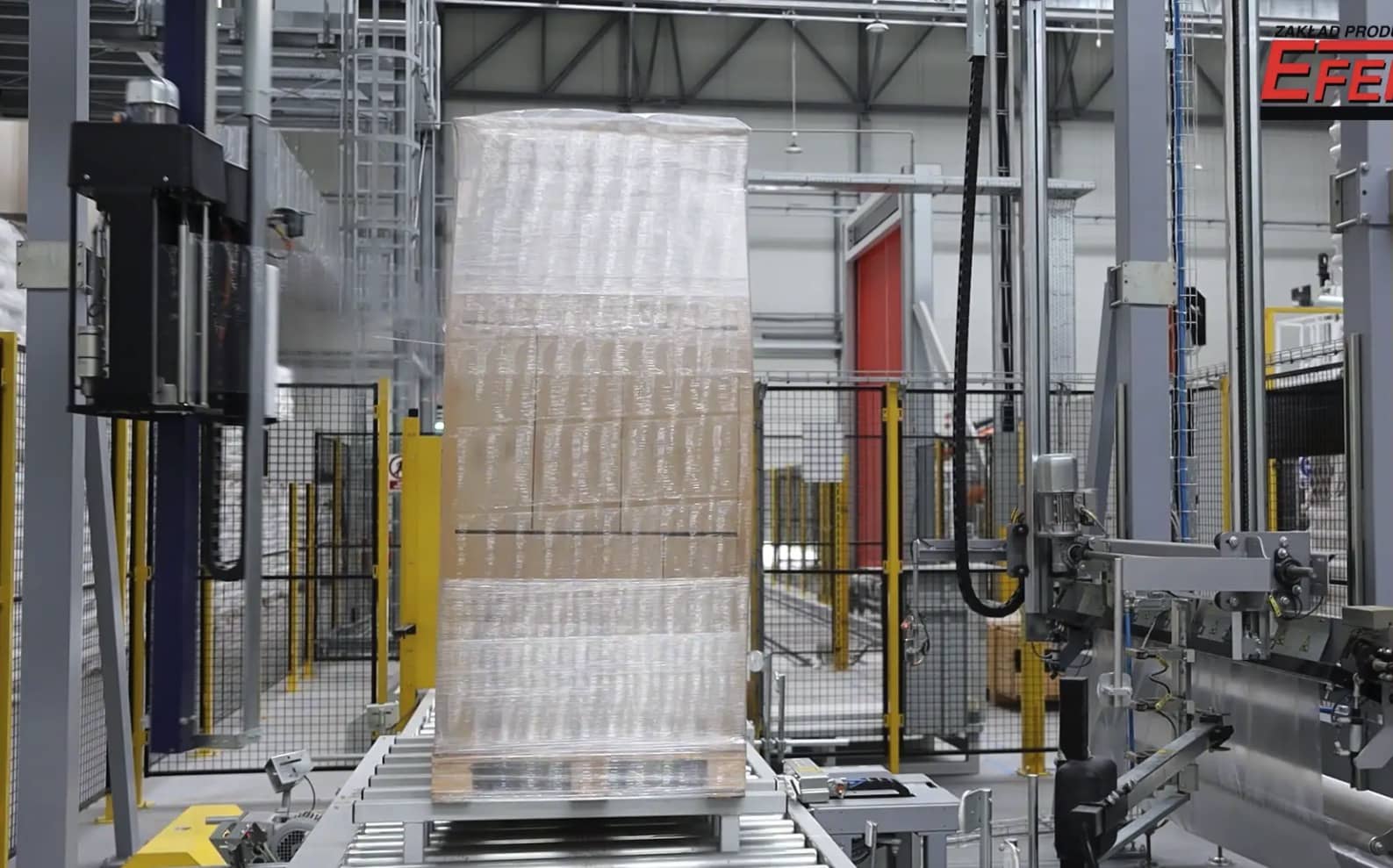
One of our milling industry partners, for example, believed they were running 17-micron film on their machine. On-site measurement revealed it was actually 20 microns. A film change and settings optimisation followed — no machine replacement was needed. Material consumption dropped by 31%, from 233 grams per pallet to 162 grams.
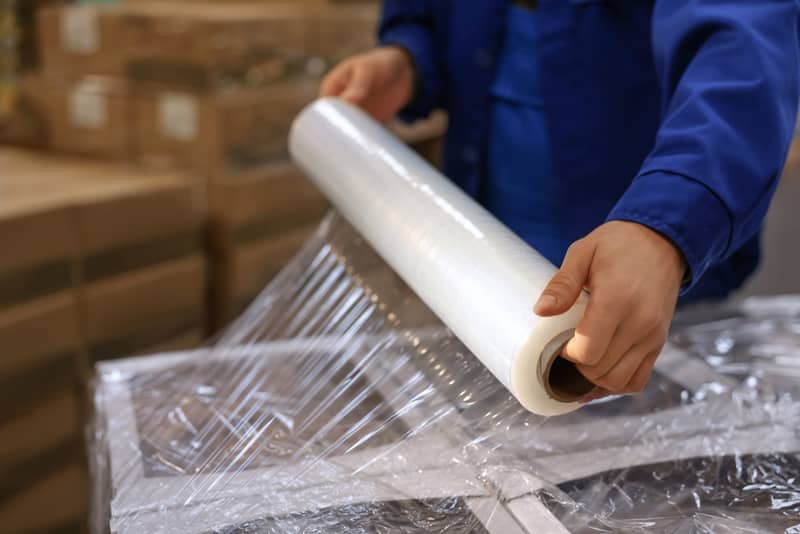
The quality of manual wrapping depends on the individual
Where manual wrapping is used, both the quantity of film and the stability of the load vary from worker to worker. This doesn’t show up directly in day-to-day operations — it only surfaces as complaints, damaged goods, and unpredictable film consumption.
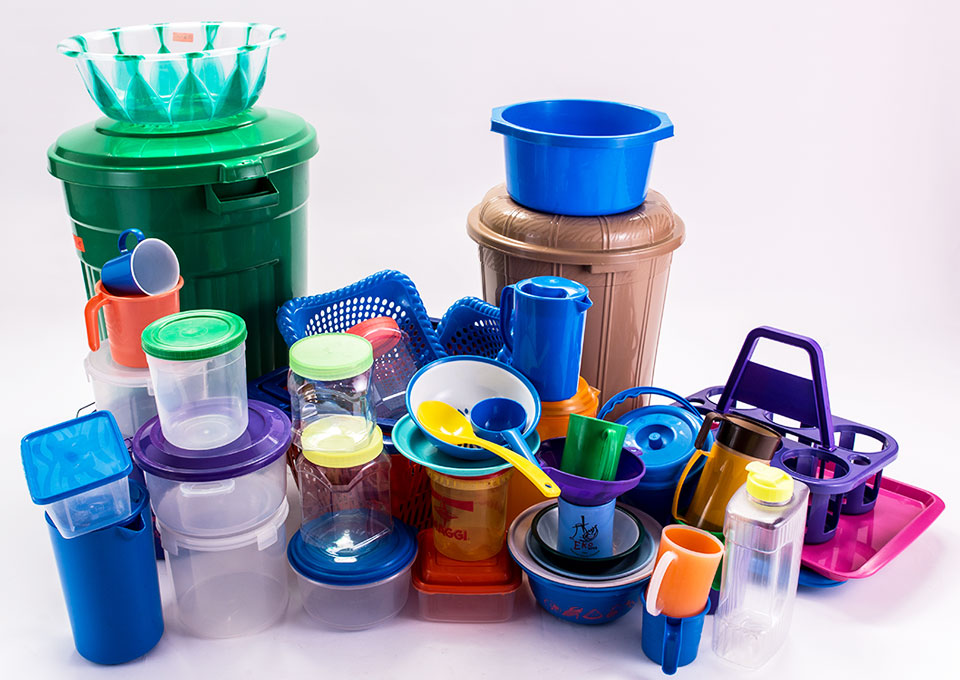
At one of our plastic products manufacturing partners, the M StableSite Audit and FEF200 measurement revealed significant variation between workers in both wrapping force and consistency. Average consumption was 400 grams per pallet, yet load stability was unreliable. After introducing a Sféra wrapping robot, consumption dropped to 120 grams — a 70% saving — while stability became audited and uniform.
Outdated machines generate extra costs
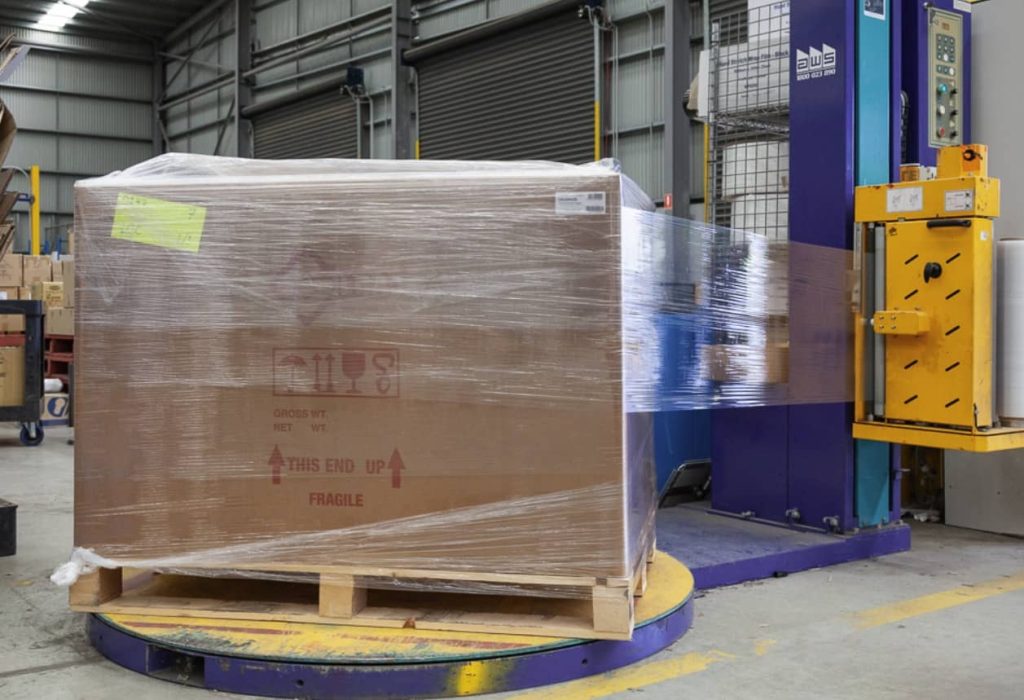
A packaging machine can cause significant losses even when it appears to be functioning normally. If the machine is outdated and unable to work with efficient pre-stretch, the excess film consumption invisibly builds into daily operating costs.
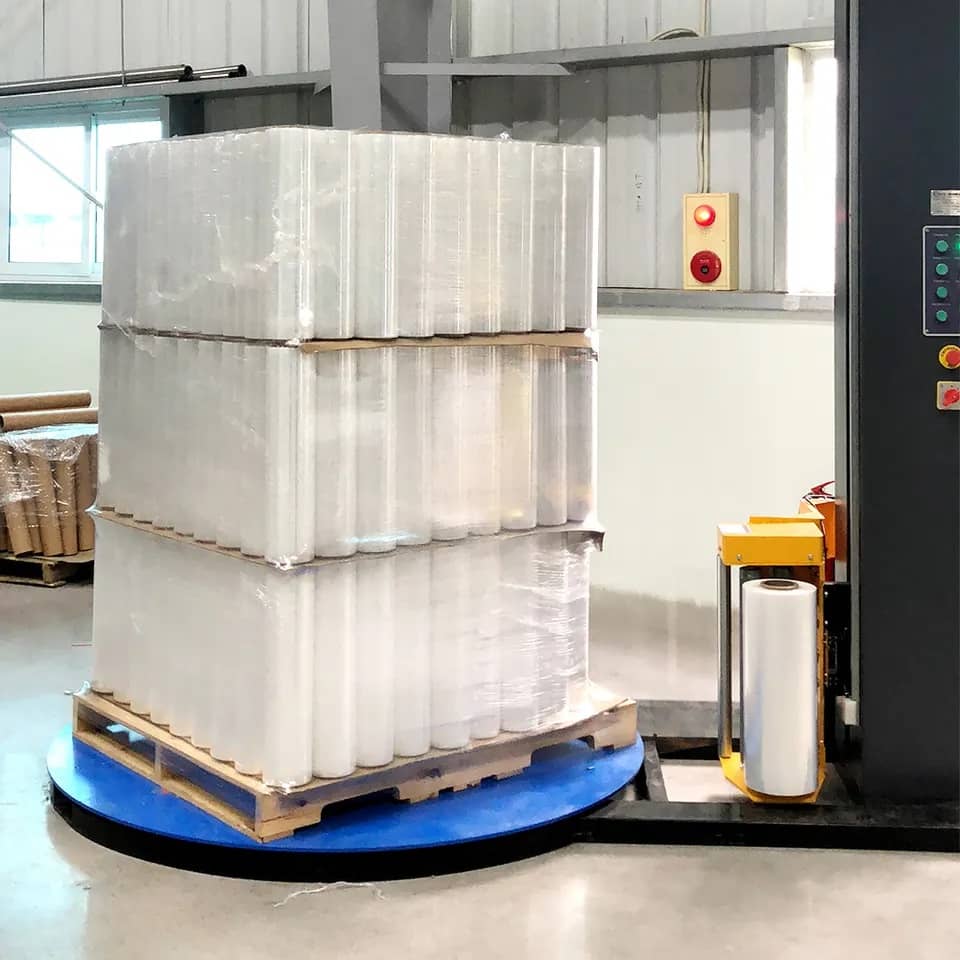
At one of our canning industry partners, old machines consumed 1,075 grams of film per pallet. We demonstrated that by introducing a new mobile robot wrapping machine with optimal settings, this could be reduced to 470 grams — a 56% saving. With 120 pallets per day, this amounts to 1,815 kg less film per month, nearly 22 tonnes per year. The machine paid for itself in 3.5 months.
All three cases had one thing in common: the system was working. There was no crisis, no disaster — just invisible loss, present day after day in film consumption, stability issues, and unjustified material costs.
Mit vizsgál a helyszíni
M StableSite Audit?The machine's technical condition and settings
Pre-stretch and tension performance
Anyag- és költségcsökkentési lehetőségeket
Load stability
CO₂-lábnyom csökkentési lehetőségeket
Book an appointment!Results are available immediately and conclude with specific recommendations. The goal in every case is the same: to show where losses are occurring and how they can be addressed — without requiring any commitment from the partner.
Curious what the M StableSite Audit would reveal in your facility?
Döntéstámogatás
Valós adatok alapján hozhat költséghatékony döntéseket.
Speed
Azonnali helyszíni eredmények, nincs utólagos várakozás.
Sustainability
Less film, lower environmental impact.
Safety
More stable load = fewer damages during transport
Many manufacturers are already working with optimized packaging – be the next one!
31% Film Savings in a Flour Mill – When Accurate Measurement Leads to Real Cost Reduction

50% less film, 27% lower costs – this is the result delivered by the M StableSite Audit and a modern packaging machine

70% Film Savings at a Plastic Product Manufacturer – Through Robotization and Certified Stability Measurements